The IRS has issued updated guidance about tax breaks tied to American-made vehicles. These rules affect eligibility for federal tax credits and may change what cars and buyers qualify.
Overview of IRS releases new American-made vehicle tax break rules
The recent IRS guidance clarifies how the American-made requirement and other conditions apply. It focuses on where a vehicle is assembled and where components are sourced, which can affect credits for electric and other qualifying vehicles.

This article explains the main changes, who is affected, the paperwork you need, and practical steps to claim the credit.
Who is affected by the new rules
Consumers purchasing new qualifying vehicles will be most affected. The rules also apply to dealers, fleet buyers, and tax preparers who claim credits on behalf of clients.
If you plan to buy an electric vehicle (EV) or another model that previously qualified for a tax credit, check the vehicle’s assembly and component sourcing details before assuming eligibility.
Which vehicles are in play

The updated guidance applies mainly to vehicles eligible for federal clean vehicle credits. It includes many battery EVs and plug-in hybrids, depending on assembly location and supply chain rules.
Luxury vehicles and older models may still be excluded based on price caps and other criteria set by the law.
Key changes in the new rules
The IRS guidance emphasizes three major factors that determine eligibility for the American-made vehicle tax break:
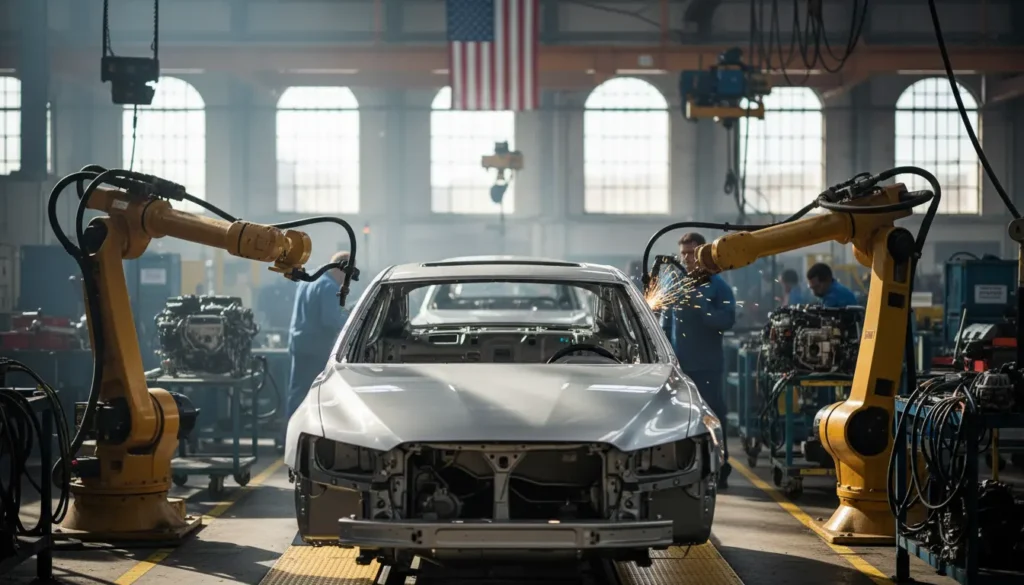
- Final assembly location: The vehicle must be assembled in the United States or in specified U.S. territories to meet the “American-made” requirement.
- Component sourcing: Critical battery components or other parts may need to come from approved countries or meet minimum domestic content thresholds.
- Manufacturer certification and documentation: Automakers must provide accurate reporting and dealers must maintain records to support claims.

These factors can affect whether the credit is allowed and how much it will be.
Income and price limits still matter
The IRS guidance reaffirms that buyer income limits and vehicle price caps are still part of eligibility rules. High-income buyers and very expensive vehicles can be excluded even if the vehicle is assembled in the U.S.
Always verify both the vehicle’s production status and your eligibility based on income and purchase price.
Documentation you should collect
To claim the credit, keep clear records. Proper paperwork speeds processing and reduces the chance of an IRS denial or audit.
At minimum, collect:
- A dealer invoice showing the VIN and final assembly location.
- Manufacturer statements or certificates on domestic assembly and component sourcing.
- Your purchase agreement and proof of payment.
- Tax forms required to claim the credit when you file (for example, Form 8936 for clean vehicle credits, if applicable).
Practical tips for dealers and buyers
- Ask the dealer for written confirmation of the vehicle’s final assembly location before purchase.
- Request manufacturer documentation of battery component sourcing if you are buying an EV.
- Keep all receipts and certifications in case the IRS requests proof.
How to claim the credit under the new guidance
Follow these steps when claiming the tax break on your federal return:
- Confirm eligibility using dealer and manufacturer documentation.
- Complete the required IRS form for the credit you seek (for example, Form 8936 for clean vehicle credits where applicable).
- Attach any required statements or keep them available for audit; do not submit excess paperwork unless requested.
- File your tax return and retain copies of all proof and forms for at least three years.
If you use a tax preparer, give them copies of the dealer and manufacturer documents so they can verify and claim the credit correctly.
Small real-world example
Case study: Maria buys a new electric SUV advertised as assembled in Michigan. Before purchase, she asks the dealer for manufacturer certification that the vehicle’s final assembly is in the U.S. and confirms battery components meet sourcing rules. Maria keeps the invoice and the certificate. When filing her taxes, she completes the appropriate form and claims the clean vehicle credit. Because she documented assembly location and met income limits, her claim is accepted.
This example shows how a simple step — obtaining and keeping the right documents — can protect the tax credit for buyers.
Under the rules, where a vehicle is finally assembled can be the single most important factor in getting the American-made vehicle tax break.
Common pitfalls to avoid
- Relying on marketing claims alone. Ads that say “assembled in the USA” need supporting documentation.
- Missing income or vehicle price limits. Even eligible vehicles can be denied if you exceed thresholds.
- Failing to keep manufacturer or dealer records. Lack of proof often leads to delays or disallowed credits.
Final steps and where to get help
Before you buy, verify the vehicle’s eligibility and collect written proof. After purchase, keep all paperwork and consult a tax professional if you have a complex situation.
Check the IRS website for official guidance and updated forms tied to the new rules. Tax preparers and dealer finance departments can also help confirm eligibility before you complete a purchase.
Using these steps will help you understand whether you can claim the credit and how to document it properly under the IRS’s new American-made vehicle tax break rules.